


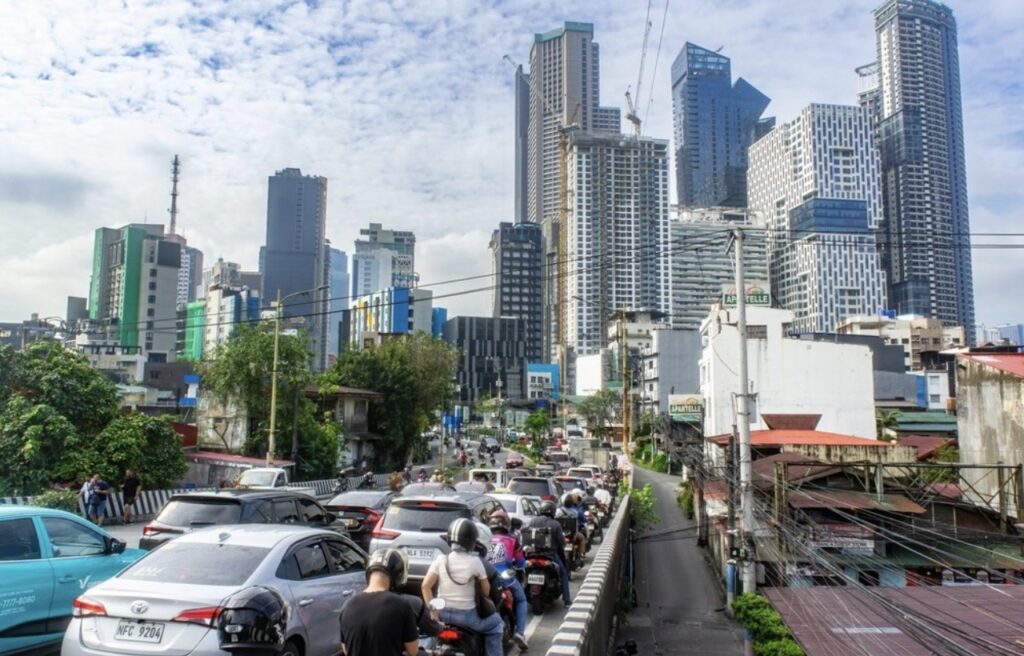
Metro Manila drivers and transport operators are facing growing challenges as rising fuel prices, heavy traffic congestion, and shrinking profits make gasoline-powered transport increasingly difficult to sustain.
The Philippines’ heavy reliance on imported oil leaves drivers vulnerable to fuel price fluctuations, with transportation costs continuing to drive inflation. App-based drivers face even greater pressure since they shoulder fuel and maintenance expenses themselves, while fare increases remain limited by competition and affordability concerns.
Transport economist Rene E. Santiago noted that unstable operating costs place drivers under greater financial strain, especially in highly congested cities like Metro Manila, where long hours in traffic mean higher fuel consumption and fewer completed trips.
Many drivers now work longer hours without significantly improving income, prompting the industry to focus more on long-term operating sustainability. This shift comes as the government promotes transport electrification through the Electric Vehicle Industry Development Act (EVIDA).
While gasoline vehicles still dominate and EV adoption faces challenges such as limited charging infrastructure and financing access, some mobility companies are exploring EV fleet models and leasing programs to reduce fuel and maintenance costs. Green GSM, for example, recently entered the Philippine market with a fully electric ride-hailing platform.
Industry experts say EVs are increasingly viewed not only as cleaner transport options but also as potential solutions to cost uncertainty. However, large-scale adoption will depend on infrastructure growth, financing accessibility, and support systems for drivers transitioning to electric mobility.
As Metro Manila’s transport demands continue to grow, a key question is emerging: can a transport system heavily dependent on gasoline remain financially sustainable amid rising costs, worsening congestion, and increasing pressure on driver earnings?
1 Comment
That’s true, rising fuel prices and heavy urban congestion are definitely squeezing both driver earnings and ride availability, which eventually impacts pricing and wait times for users; I also sometimes reference spin harta when looking at structured digital platform trends since it helps compare how different systems adapt under cost pressure.