


Every day, 12 Filipinas die from cervical cancer—a disease that is largely preventable through vaccination, screening, and early intervention. According to 2022 Globocan data, it remains the second most common cancer among women in the Philippines, causing approximately 8,549 new cases and 4,380 deaths annually.
During the Together for Health: Towards a Cervical Cancer-free Philippines forum held in May (Cervical Cancer Awareness Month), health leaders, policymakers, and advocates renewed calls to strengthen national prevention programs.
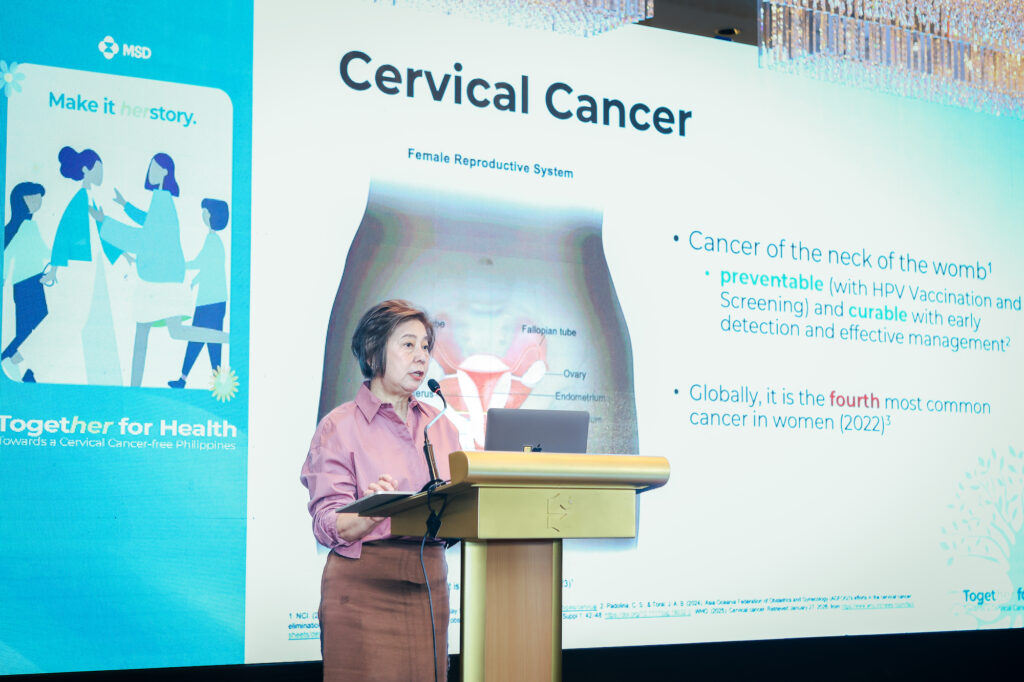
“Cervical cancer is preventable, yet more than half of Filipinas diagnosed with it still die from the disease,” said Dr. Concepcion Rayel, President of the Philippine Obstetrical and Gynecological Society (POGS). “We have the technical expertise, manpower, screening tools, and subspecialists. But most importantly, we need leadership to establish a clear roadmap.”
The Strategy: Vaccination and Screenings
Experts emphasized that the tools to eliminate cervical cancer already exist, aligned with the World Health Organization’s
-
90% of girls vaccinated against HPV by age 15.
-
70% of women screened using high-performance tests.
-
90% of women with cervical disease receiving proper treatment.

Dr. Christia Padolina of the Asia Oceania Federation of Obstetrics and Gynecology (AOFOG) and Dr. Ana Victoria Dy-Echo of POGS highlighted human papillomavirus (HPV) vaccination as the premier line of defense, noting that countries with well-established vaccination programs have seen substantial reductions in cancer rates.
However, screening participation in the Philippines remains critically low, with less than 1.3% of the eligible female population undergoing screening last year. Experts urged a broader shift toward modern HPV DNA testing to ensure early detection.
Bridging the Implementation Gap
The consensus among forum speakers was clear: the primary challenge is not a lack of science, but a gap in execution. Achieving elimination will require robust coordination between national agencies, local governments, schools, and communities.
Teodoro Padilla, Executive Director of the Pharmaceutical and Healthcare Association of the Philippines (PHAP), called for consistent vaccine supplies and stronger community education. Meanwhile, Carmen Auste, Vice President of the Cancer Coalition of the Philippines (CCPH), emphasized equity.
“Success should be measured by whether the woman with the least access, the least income, and the least voice in the most remote communities is reached, served, and protected,” Auste said.
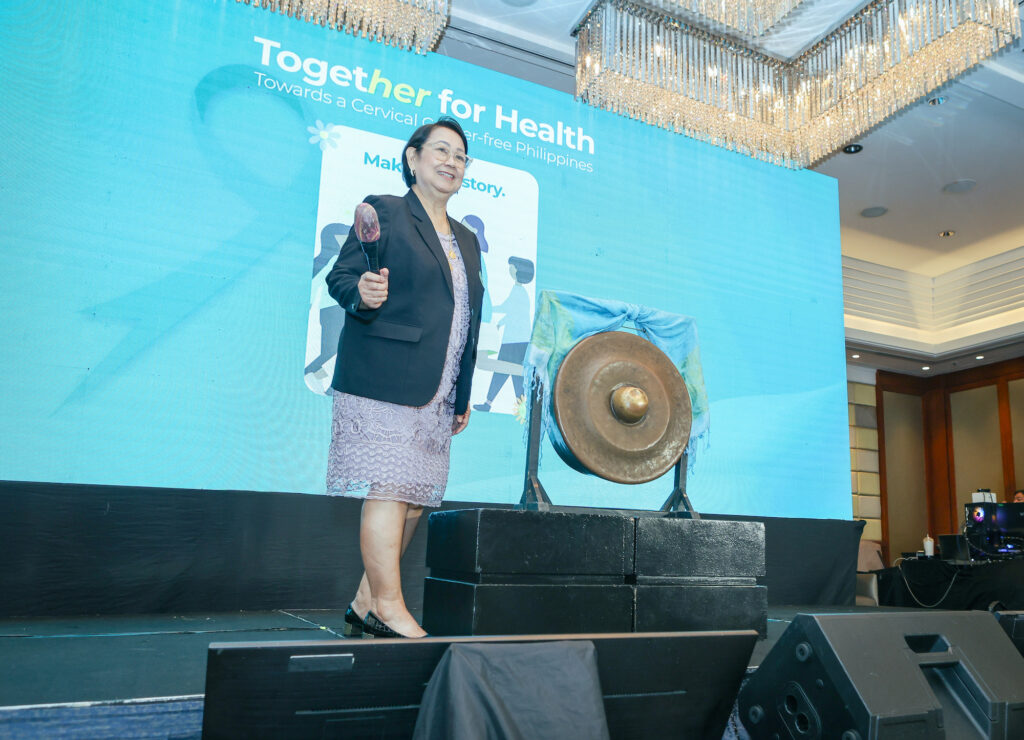
The forum concluded with a ceremonial striking of a gong, symbolizing a united commitment to turn scientific tools into lifesaving, nationwide action.